Altiplano Slow Travel: Finding the Cultural Soul of Puno, Peru
How does mass corporate tourism economically marginalize local lake communities?
When mass tourism operations dominate a high-altitude destination, the vast majority of consumer expenditures are captured by low-altitude corporate agencies based in distant cities. Foreign tourists pay comprehensive package fees to international booking operators, leaving very little direct financial support for the indigenous residents who manage the physical islands.
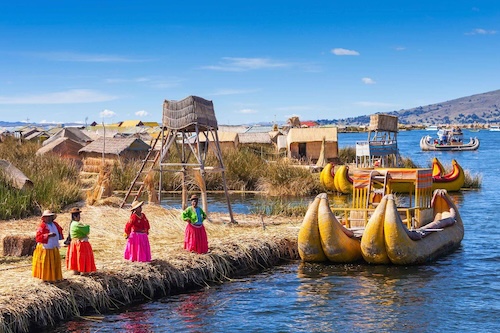
Investigating the realities of experiential tourism Puno Peru shows that local communities are often forced to rely on cheap souvenir sales because corporate tour boats give them only minutes on shore. This economic imbalance creates intense pressure on vulnerable families to turn their ancestral homes into performance stages just to earn a basic living. When interactions are reduced to rushed, forty-minute commercial stops, mutual exhaustion replaces genuine hospitality, turning unique cultural exchanges into mechanical consumer transactions that leave both sides feeling empty.
Why is community-based tourism on the Capachica Peninsula a sustainable alternative?
Community-led tourism frameworks reverse this extractive economic model by placing ownership and operational control directly into the hands of local rural networks. On the stunning Capachica Peninsula, farming collectives have quietly constructed modest guest cabins, offering an authentic alternative to the congested urban hotels of central Puno. This model keeps travel revenue entirely within the local ecosystem.
- Direct financial compensation goes directly to the families providing food and lodging
- Agricultural communities preserve their traditional farming routines without relying on tourism
- Low visitor volume drastically reduces the environmental strain on delicate lakeside ecosystems
This community-centric structure ensures that the natural landscape remains uncorrupted by large corporate hotel developments. Visitors to Capachica spend their days walking alongside local farmers, discovering traditional weaving methods, and eating meals prepared with native potatoes harvested from nearby hills. This slow immersion fosters a quiet mutual respect, allowing travelers to experience the genuine warmth of the altiplano without disrupting its ancestral rhythms.
How does an unhurried travel methodology help preserve ancient indigenous traditions?
Indigenous languages like Quechua and Aymara, along with complex high-altitude agricultural techniques, are deeply rooted in the physical daily labor of the lakeside population. When a community is forced to reorient its entire economy around rapid tourist entertainment, these ancient lifestyle patterns face rapid erosion. Slow travel provides an alternative by valuing everyday traditions exactly as they are practiced naturally.
Spending an extended evening inside an unheated rural home teaches travelers to appreciate the unhurried storytelling that defines altiplano family life. When local hosts realize that visitors are genuinely interested in their farming methods rather than a quick photo, they share their heritage with pride. This validation encourages younger generations to maintain their ancestral ties to the land, rather than migrating to congested cities to escape rural economic abandonment.
What practical operational steps can independent travelers take to ensure an ethical visit?
Transitioning away from mass tour operations requires a willingness to handle basic logistics independently and accept a less predictable travel schedule. Instead of purchasing an all-inclusive excursion at an urban agency desk, independent travelers should use public colectivo buses to reach rural sectors like Capachica or the port of Chucuito. This direct approach ensures that transport expenses support local drivers.
Arranging an overnight stay on islands like Amantaní allows you to explore delicate ecosystems long after the commercial day-trip boats have departed for the evening. It is vital to remember that true cultural immersion demands patience, thick clothing for the bitter cold, and a humble attitude. Stepping off the commercial paths protects the natural environment and unlocks a profound, unscripted view of Lake Titicaca that mass tourism completely obscures.