The Sacred Valley Is More Than a Place You Pass Through
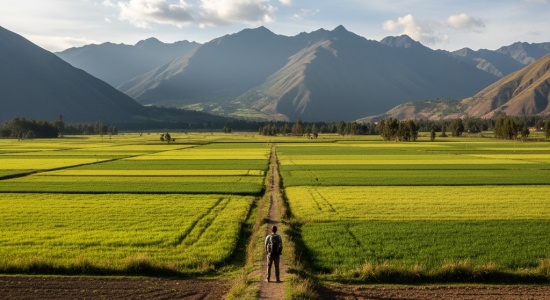
Many people think of the Sacred Valley as something you move through on the way to somewhere else. It shows up on the map between Cusco and Machu Picchu, so it’s easy to treat it like a corridor instead of a destination. But once you actually spend time there, that idea falls apart. The Sacred Valley has its own rhythm, and the select experiences of the Sacred Valley people remember from it are usually the ones they didn’t rush.
One of the first things travelers notice is how different their body feels there. The altitude is lower than Cusco, the air feels softer, and sleep comes easier. Mornings tend to be quiet. You hear birds, maybe a dog in the distance, and the sound of water moving through irrigation channels that have been there for centuries. Just sitting with a cup of something warm and looking at the mountains feels like an experience on its own, even though nothing dramatic is happening.
Pisac: A Balance of Ancient and Modern
Pisac is often the first real stop, and it eases people into the valley. The ruins sit above the town, and getting there already changes your perspective. From up high, the valley spreads out in a way that makes you understand why this land mattered so much to the Incas. Walking through the terraces feels calm, not crowded, especially early in the day.
Down in the town, the market brings everything back to the present. Locals sell food, textiles, and everyday items, and life moves along without paying much attention to visitors. That balance between ancient and current life is what makes Pisac stick in people’s minds.
Ollantaytambo: The Living Inca Town
Ollantaytambo feels heavier, in a good way. The stones seem to carry weight, both physical and emotional. This is not just a ruin, it’s a living town built on top of history. You walk through narrow streets, step over stone channels still guiding water, and then look up at massive walls rising above you.
Climbing the fortress is tough, and most people need to stop and catch their breath more than once. But when you reach the top, the silence and the view make the effort feel fair. Many travelers say this is where the past feels closest.
Ingenuity at Moray and Maras
Moray often catches people off guard. At first, it looks almost unreal, like something designed rather than built. The circular terraces drop into the earth, each level slightly different. Once you learn that this place was likely used to test crops under different conditions, it changes how you see it. People tend to slow down here, imagining how knowledge was built through observation and time, not speed.
A short distance away, the salt pans of Maras feel both beautiful and practical. Hundreds of small pools line the mountainside, and families still work them the same way their ancestors did.
There’s something grounding about watching people do careful, repetitive work in a place that has been doing the same thing for generations. It doesn’t feel like a show. It feels like life continuing.
Village Life and Culinary Memory
Small villages in the Sacred Valley often leave deeper impressions than expected. In places like Chinchero, people welcome visitors into weaving spaces and explain their work simply, without exaggeration. You see how colors are made, how patterns carry meaning, and how much time goes into something that might be bought in a few minutes.
Food in the Sacred Valley has a way of staying in memory too. Meals are simple but full:
- Potatoes come in shapes and colors most people have never seen.
- Corn tastes sweeter.
- Soups feel warming in a way that goes beyond temperature.
Eating here doesn’t feel rushed. It feels like part of the day, not something squeezed between activities. Moving through the valley slowly—walking between villages, riding a bike along dirt roads, or sitting on a horse—lets you feel the size of the place without being overwhelmed by it.